Choosing a home in Baltimore City is not just about looks. Here, the style of a home often tells you how it lives, how much upkeep it may need, and what your monthly costs could look like. If you are trying to decide between a rowhouse, condo, loft, or detached home, understanding those differences can help you buy with more confidence. Let’s dive in.
Why home style matters in Baltimore
Baltimore City has a wide range of housing, but attached homes still define much of the market. According to the city’s 2025-2030 Consolidated Plan, 1-unit attached homes make up 50.8% of all housing units, while 1-unit detached homes account for 14%.
That matters because home style in Baltimore often connects directly to age, maintenance, and layout. The same city plan reports that more than 83% of housing units are 40 years old or older, so when you tour homes, style is often a clue to what kind of ownership experience you can expect.
Baltimore also is not one single housing market. The city’s master plan notes that Baltimore has 271 neighborhoods, each with its own identity and housing mix, which is why one area may feel deeply traditional while another feels more modern or mixed-use.
Rowhouses shape Baltimore living
What defines a Baltimore rowhouse
Baltimore’s rowhouse tradition goes back centuries. City preservation guidelines say the rowhouse has dominated the cityscape since the late eighteenth century, and city zoning even includes a rowhouse residential district meant to preserve that traditional pattern.
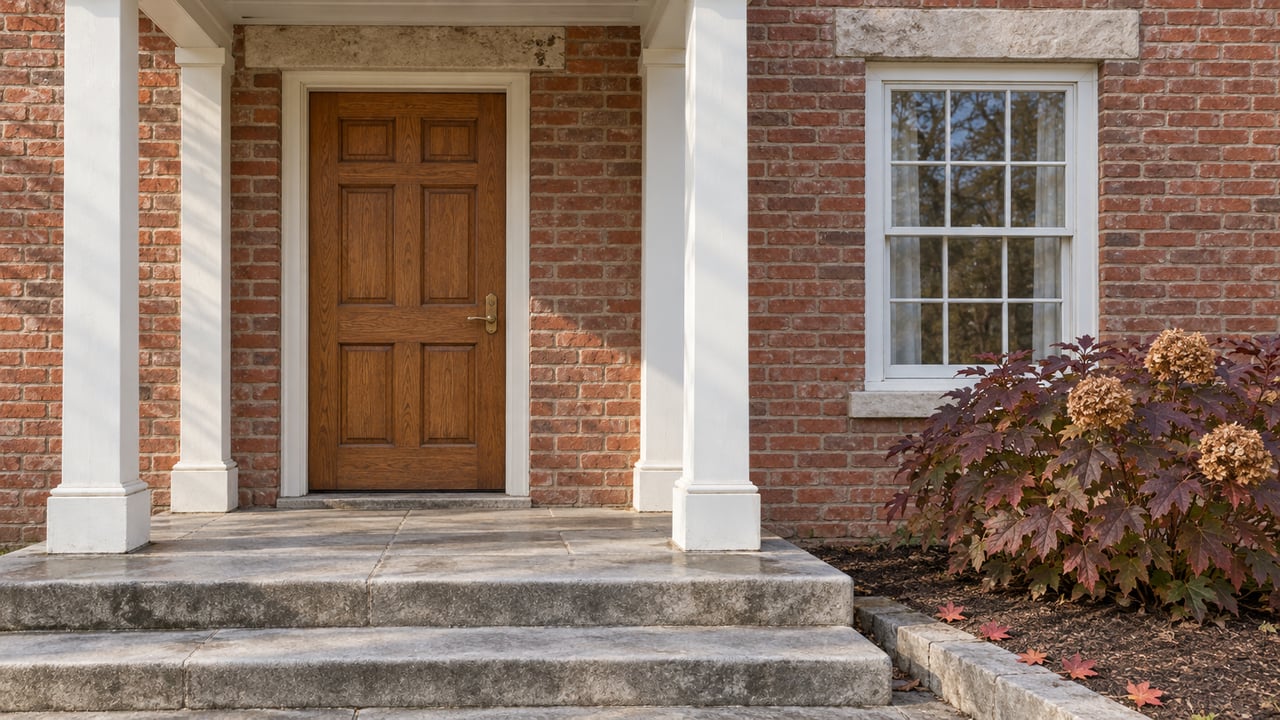
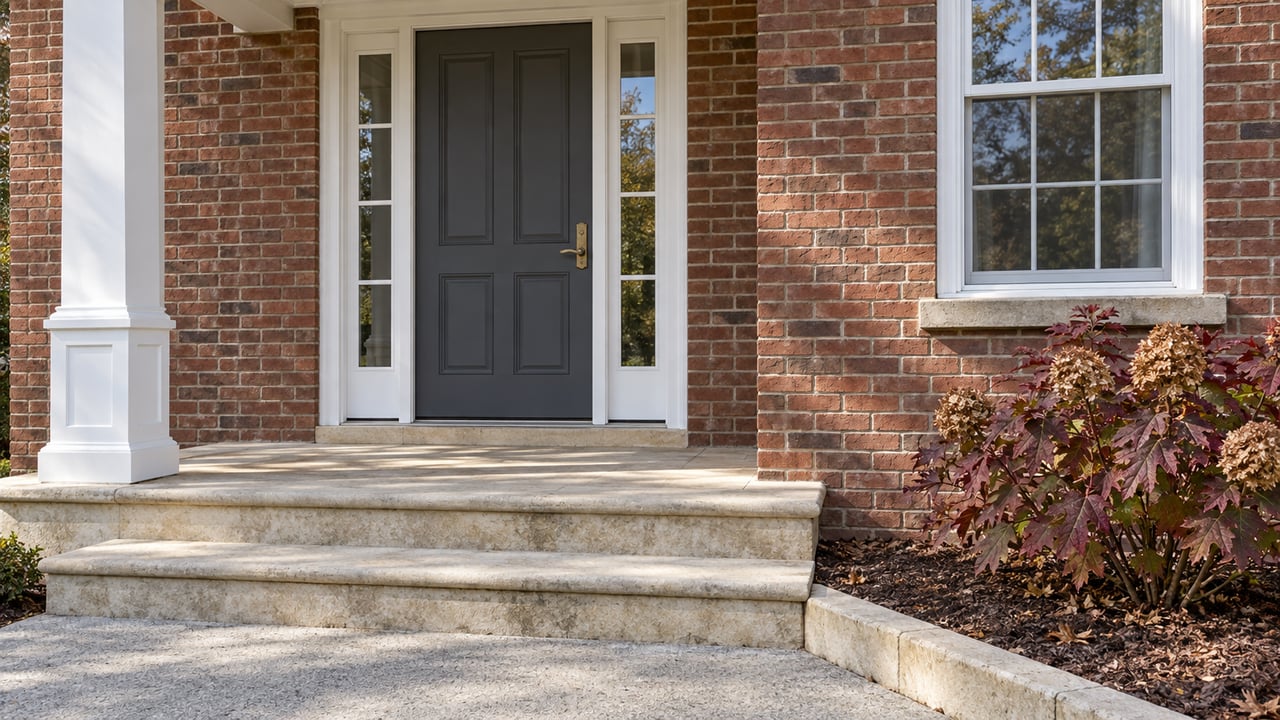
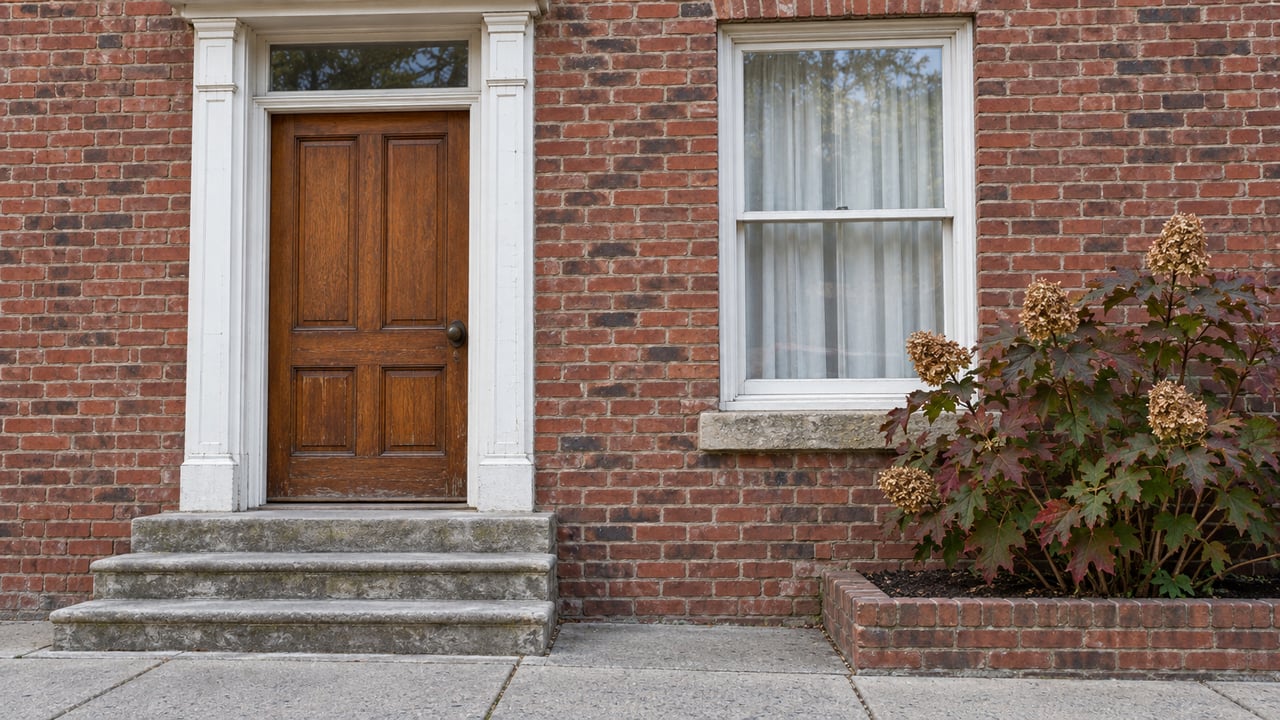
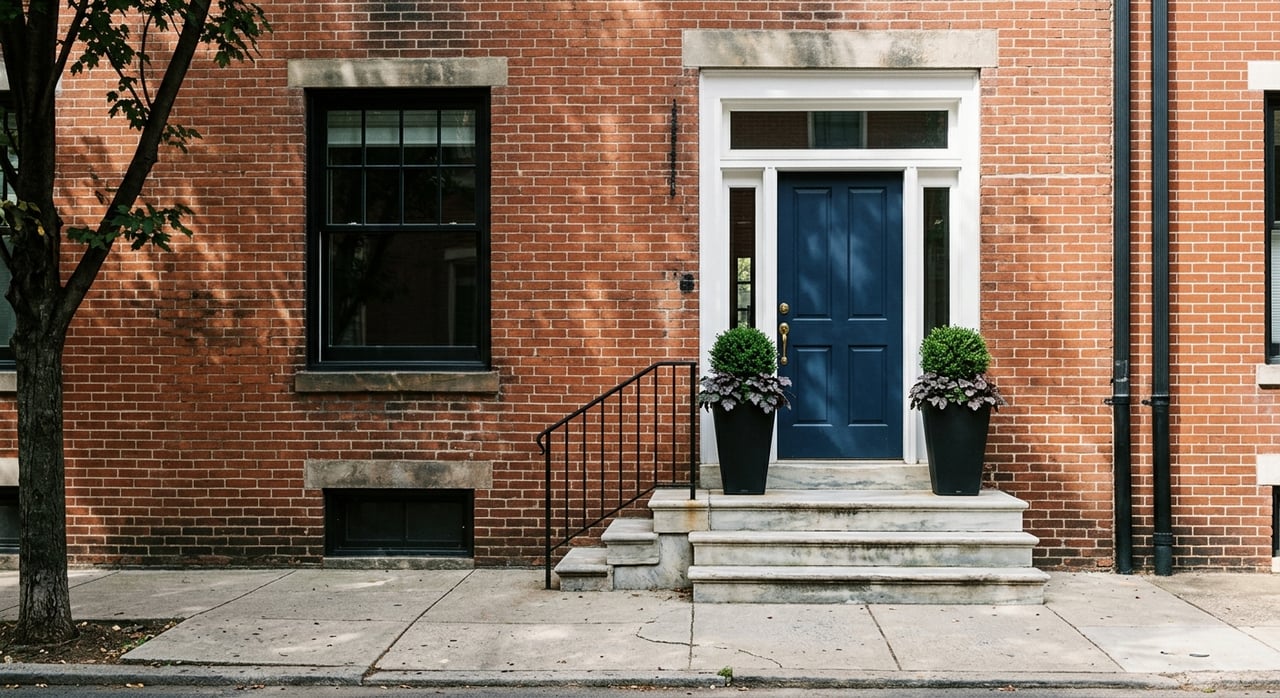
In practical terms, rowhouses are usually attached brick homes built in repeating rows. Older examples were often narrow, two-and-one-half stories, and two rooms deep, while later “daylighter” rowhouses were designed to bring in more light and often included small yards, porches, and sometimes garages.
What buyers should expect from rowhouses
If you buy a rowhouse, you are often choosing efficient use of space and a more urban street feel. These homes tend to put you close to the sidewalk and close to neighboring homes, which creates a strong street-facing rhythm that is very common in Baltimore.
You may also hear the phrase “historic townhome.” In Baltimore, that often refers to an older rowhouse with preserved period details or historic-district status, rather than a completely different type of building.
What to look for before you buy
Because many rowhouses are older, buyers should pay close attention to maintenance and repair expectations. The city reports that older units generally require more maintenance, so style and age often go hand in hand.
If the home is in a local historic district or on certain landmark lists, the seller must disclose that before contract. Exterior changes on qualifying properties may require CHAP Authorization to Proceed, which can affect what you are able to update later.
Historic homes offer character and added rules
What historic status can mean
Some of Baltimore’s best-known home styles show up in local historic districts such as Otterbein, Federal Hill South, Seton Hill, and Ednor Gardens. Preservation materials describe features like flat brick facades, marble steps, cornices, modest two- and three-story forms, and distinct rooflines.
For many buyers, that character is a major draw. Historic homes can offer details and street presence that are hard to find in newer construction.
What buyers need to budget for
Historic status can change the ownership experience. In local historic districts and on certain landmark properties, Baltimore requires review for many exterior changes, including reconstruction, alteration, removal, color changes, fences, walls, excavation, and demolition.
It is also important to know that National Register status alone does not create the same local exterior review unless the property is also locally designated. That distinction matters when you are weighing charm against flexibility.
A possible tax benefit
Eligible historic improvements may qualify for a 10-year city real property tax credit. The work must be preliminarily approved by CHAP, so this is not automatic, but it can be a meaningful factor if you are considering improvements on a qualifying property.
Lofts bring a different ownership experience
Where loft-style homes fit in Baltimore
Baltimore’s master plan specifically includes loft buildings and live-work spaces as part of the city’s housing mix. It also notes incentives for converting industrial buildings to residences, and downtown development reporting points to Charles Center as a key area for office-to-apartment conversions.
That means loft-style housing in Baltimore is often tied to downtown or mixed-use areas rather than traditional single-family streets. If you are drawn to open layouts or converted-building character, this style may be worth a close look.
What buyers should think about
With lofts, the conversation often shifts from lot size and yard upkeep to building-level maintenance and shared spaces. In many cases, you are not just buying your unit. You are also buying into the systems, rules, and upkeep structure of the larger building.
That can be a plus if you want less hands-on exterior responsibility. It also means you should review the building’s fees, maintenance setup, and shared-space expectations carefully.
Condos can simplify upkeep
How condo ownership works
A condominium is a homeownership model where your unit is individually owned while common areas are jointly owned. Common areas can include grounds, lobbies, parking areas, elevators, and amenities, and condo or HOA fees usually help maintain those spaces.
In Baltimore, condo and apartment-style living continue to be part of the city’s growth pattern, especially in downtown and mixed-use development areas. That gives buyers another option beyond the classic rowhouse.
The tradeoff to understand
For many buyers, the biggest benefit of condo living is reduced responsibility for exterior upkeep. Instead of handling every outside repair on your own, some of that work is managed at the association level.
The tradeoff is the monthly fee. Buyers should treat condo or HOA fees as part of the home’s true carrying cost, not as a side expense.
Detached and mixed-style homes offer more variety
Baltimore is not all rowhouses
While rowhouses dominate the city, Baltimore also includes detached homes, duplexes, semi-detached homes, and mixed-style neighborhoods. The city’s housing data shows detached homes make up a smaller share of the total housing stock, but they remain part of the market.
Neighborhood examples show how varied that mix can be. Mayfield includes free-standing Victorian frame houses, small brick rows, early twentieth-century villas, frame tract houses, and masonry duplexes, while Ednor Gardens is known largely for rowhouses with Tudor, Norman, and Colonial styling.
What this means for buyers
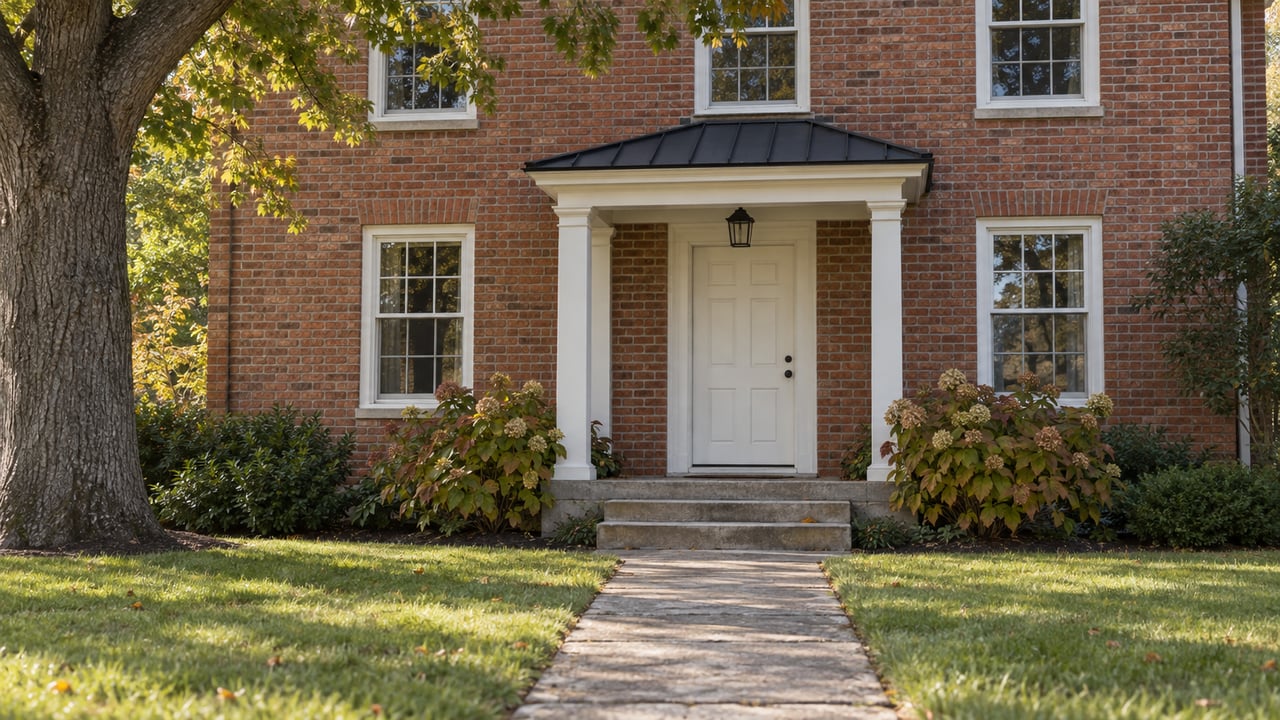
If you want more yard space, garage potential, or less tightly attached living, detached or mixed-style areas may be appealing. These homes can offer a more suburban-style feel while still keeping you in Baltimore City.
Because they are less common than rowhouses citywide, they may attract buyers looking for a different balance between city access and space. That makes it especially helpful to compare home style with your day-to-day priorities, not just your wish list.
How to match style to your budget
Baltimore home styles are best understood as different ownership models. A rowhouse may offer classic city living, but an older property may also bring more direct maintenance responsibility. A historic home may add charm and possible tax-credit opportunities, but it can also come with exterior review rules.
A loft or condo may reduce some hands-on upkeep, but monthly fees become part of the budget. A detached home may offer more breathing room, but availability is narrower in a city where attached housing remains the norm.
When you compare properties, it helps to look at three cost buckets:
- Purchase price
- Monthly carrying costs, including condo or HOA fees where applicable
- Likely maintenance and repair needs based on age and style
That approach gives you a clearer picture of what the home may really cost to own over time.
What buyers should remember
In Baltimore City, home style is more than curb appeal. It often signals how the property was built, how it functions, what upkeep you may inherit, and how your costs are likely to be structured.
If you understand those differences early, you can narrow your search faster and avoid surprises later. The right fit is not always the trendiest style. It is the one that matches your budget, maintenance comfort level, and the way you want to live.
If you want help comparing Baltimore City home styles and narrowing down what fits your goals, the Nancy Hulsman Group can guide you through the options with clear, practical advice.
FAQs
What is the most common home style in Baltimore City?
- Attached rowhouses are the most common. Baltimore’s 2025-2030 Consolidated Plan reports that 1-unit attached homes make up 50.8% of the city’s housing units.
What should buyers know about historic homes in Baltimore City?
- Buyers should know that sellers must disclose qualifying historic status before contract, and exterior changes on locally designated historic properties may require CHAP review and approval.
What do condo fees usually cover in Baltimore City condos?
- Condo or HOA fees usually help maintain common areas such as grounds, lobbies, parking areas, elevators, and amenities.
Are lofts only found in downtown Baltimore City?
- Loft-style housing is most closely tied to downtown, Charles Center, and nearby mixed-use areas where office and industrial buildings have been converted to residential use.
Are detached homes available in Baltimore City?
- Yes. Detached homes are a smaller share of the city’s housing stock than rowhouses, but some neighborhoods include detached houses, duplexes, villas, and other mixed housing types.