If you are dreaming about life near the water in Anne Arundel County, it is easy to focus on the view first and the details later. But in this market, the smartest buyers know that shoreline living is about more than scenery. When you understand access, upkeep, and local rules before you shop, you can make a more confident decision that fits your lifestyle and budget. Let’s dive in.
Start with the right waterfront question
A smart waterfront search in Anne Arundel County starts with one simple question: what kind of water experience do you actually want? The answer can shape your price range, your maintenance responsibilities, and even how you use the property year-round.
Anne Arundel County is especially important to shop this way because it is deeply tied to the water. County information notes more than 533 miles of shoreline and coastline, along with 12 primary watersheds. That means buyers are often comparing very different property types, even when listings all sound “close to the water.”
Instead of shopping by distance to the shoreline alone, it helps to compare homes by three things: access, maintenance, and regulation. That framework can save you time and help you avoid surprises after closing.
Compare water access models
True waterfront ownership
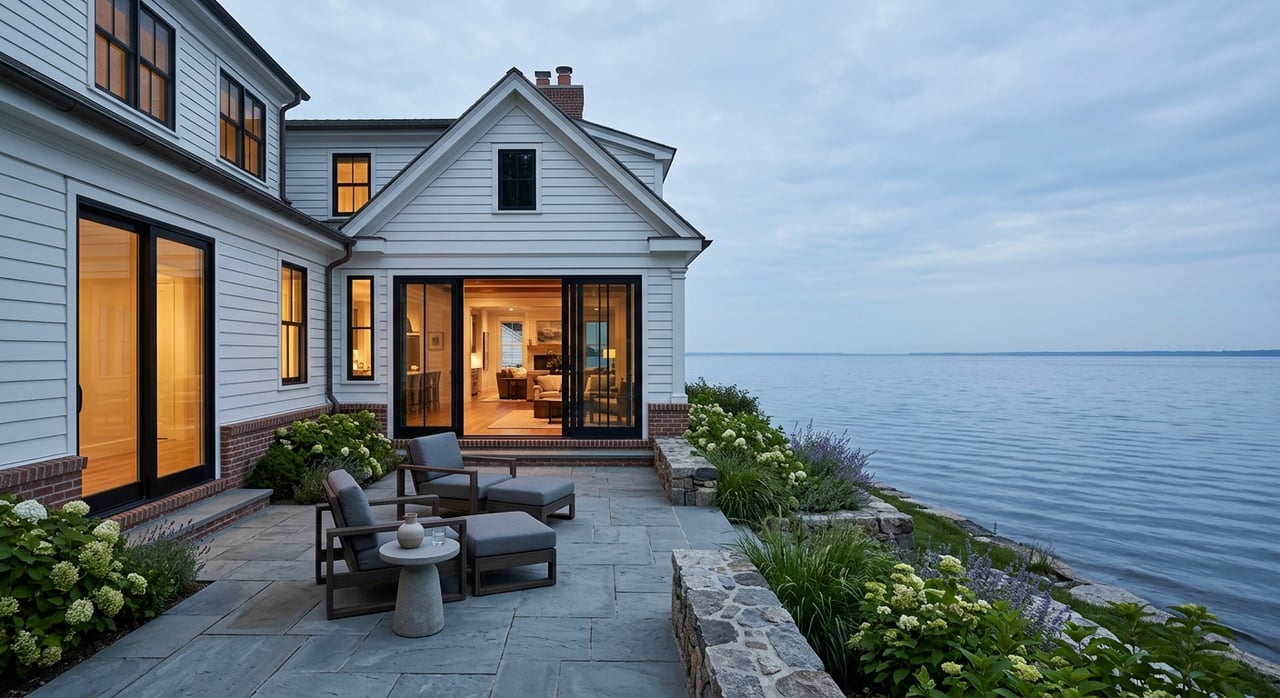
Direct waterfront or riparian property usually offers the strongest connection to the shoreline. You may have immediate access to the water, shoreline views, and in some cases features like a dock or pier.
Still, it is important to understand what riparian ownership means in Maryland. The Maryland Department of Natural Resources says the waters below mean high tide are owned by the State, not the riparian landowner. For you, that means a home can offer shoreline benefits without giving unlimited control over the water itself.
Community marina or HOA access
Not every water-oriented buyer needs a fully waterfront lot. In Anne Arundel County, some residential communities offer water access through a homeowners association, community marina, yacht club, sailing club, or shared ramp.
This can be a practical middle-ground option. You may gain meaningful access to boating or waterfront recreation without taking on the full purchase price and ongoing maintenance of direct shoreline ownership.
Inland living with public access
A third option is living inland while using Anne Arundel County’s public water access system. The county offers boat ramps, fishing access, canoe and kayak launches, paddle-in camping, swimming areas, rentals, and other water-oriented amenities.
For many buyers, this setup delivers the lifestyle they want at a lower cost. If your goal is occasional kayaking, fishing, or enjoying time near the Bay and local rivers, public access may be worth serious consideration.
Factor in flood risk early
Flood risk should be part of your search from day one, not just something you review at the end. Anne Arundel County identifies flooding as its most common natural hazard, and county guidance encourages buyers to ask direct questions before purchasing.
That means you should look beyond a pretty lot or attractive photos. Ask about prior flooding, past disaster assistance, current or previous flood insurance, basement or crawlspace moisture, drainage issues, and any mitigation work already completed.
County guidance also points buyers to official flood hazard information through FEMA’s Flood Map Service Center. In practical terms, flood zone research should be part of your early screening process, especially if you are comparing multiple waterfront or near-water properties.
Understand Critical Area rules
One of the biggest local factors in Anne Arundel County is the Chesapeake Bay Critical Area. The county says this area extends 1,000 feet inland from tidal waters or tidal wetlands, and it includes a 100-foot buffer measured from the mean high-water line, tributary stream banks, or tidal wetland edge.
Why does that matter to you? Because work that seems simple at another home may require approval here. Disturbing soil or vegetation in this zone generally requires county review, and these regulations are enforced by the Anne Arundel County Department of Inspections and Permits.
If you are buying near the water, ask early whether the property is in the Critical Area or buffer. Also ask whether there are prior variances, approvals, or restrictions that could affect future plans.
Know what shoreline work may require
Many buyers assume they can update or add waterfront features later. In reality, shoreline improvements can involve state oversight.
Maryland’s Department of the Environment says permits or authorizations are generally required for activities involving wetlands or waterways. That can include new piers, boat lifts, dredging a boat slip, bulkheads, and filling wetlands or buffers.
Maryland also states that living shorelines are the preferred method of shore protection. Structural stabilization may require a waiver when a nonstructural option is not feasible, which makes it especially important to understand the property’s current condition and your long-term goals before you buy.
Check septic, sewer, and drainage
Near-water shopping is not just about views and access. Some waterfront homes in Anne Arundel County use septic systems, while others are connected to public sanitary sewer.
That difference can affect both cost and due diligence. The county notes that local health services include perc testing, septic design requirements, permits for private septic systems and wells, inspections, and private well-water testing.
You should also pay close attention to drainage and grading. County engineering staff review non-tidal floodplains, grading plans, and stormwater management, and these issues matter more than many buyers expect on or near waterfront lots.
Another important point is that Maryland disclosure guidance for Anne Arundel County is limited in scope. Sellers are required to disclose whether water stands on the property for more than 24 hours after heavy rain and whether the property is in a flood zone, so you should not rely on disclosure alone to tell the full story.
Use public amenities as a budget strategy
In Anne Arundel County, public access is not just a backup plan. For some buyers, it is the smartest way to enjoy a water-oriented lifestyle while keeping ownership costs more manageable.
Quiet Waters Park offers paved trails, a dog beach, and a cartop launch between the South River and Harness Creek. Jonas Green Park sits on the Severn River and includes a sandy cartop-launch beach and a 288-foot fishing pier.
Downs Park offers more than five miles of trails, plus a fishing pier and kayak launch along the Chesapeake Bay. Fort Smallwood Park adds a boat ramp, a 380-foot fishing pier, beaches, and walking trails where the Patapsco River and Rock Creek meet the Bay.
The county also has an extensive trail network, including the B&A Trail, BWI Trail, Broadneck Trail, South Shore Trail, and WB&A Trail. If your version of waterfront living is more about being active outdoors than owning private shoreline, these amenities can make inland or trail-adjacent living a strong option.
Ask better questions while you shop
The best waterfront buyers are not just comparing bedrooms and lot sizes. They are asking focused questions that reveal how the property will function over time.
Here are some of the most useful questions to ask during your search:
- Is the home true waterfront, deeded water access, community-marina access, or simply near public access?
- Is the property in the Critical Area or the 100-foot buffer?
- Are there prior approvals, variances, or restrictions tied to shoreline work?
- What flood zone applies to the property?
- What has the seller disclosed about flooding, water intrusion, standing water, or drainage?
- Does the property use septic, well service, or public sewer?
- Are records available for perc tests, inspections, repairs, or system upgrades?
- Would a future dock, pier, boat lift, dredging project, or shoreline stabilization effort require state approval?
- If the home does not include private shoreline rights, what public-access options are nearby?
These questions help you compare homes on the issues that often matter most after closing. They also help you understand whether a listing supports your actual plans, not just your first impression.
Shop for fit, not just frontage
In Anne Arundel County, living near the water can mean very different things from one property to the next. A direct waterfront home, a community-access property, and an inland home near great parks may all support a water-focused lifestyle, but they come with very different costs and responsibilities.
That is why the smartest approach is to shop by fit, not just by frontage. When you weigh access, maintenance, flood exposure, drainage, septic or sewer setup, and local regulation together, you are much more likely to find a home that works well for both your lifestyle and your long-term plans.
If you want experienced guidance as you compare waterfront and water-access opportunities in Anne Arundel County, the Nancy Hulsman Group can help you evaluate options with clarity and confidence.
FAQs
What does waterfront ownership mean in Anne Arundel County?
- In Anne Arundel County, true waterfront or riparian property gives you direct shoreline access, but Maryland law says the waters below mean high tide are owned by the State.
What is the Anne Arundel County Critical Area?
- The Anne Arundel County Critical Area extends 1,000 feet inland from tidal waters or tidal wetlands, and work in this area often requires county review.
What flood questions should buyers ask in Anne Arundel County?
- Buyers in Anne Arundel County should ask about prior flooding, flood insurance, disaster assistance, moisture in basements or crawlspaces, drainage conditions, and the property’s flood zone.
Are septic systems common near the water in Anne Arundel County?
- Some near-water homes in Anne Arundel County use septic systems, while others connect to public sewer, so system type and condition should be part of your due diligence.
Can buyers enjoy the water without owning waterfront property in Anne Arundel County?
- Yes, Anne Arundel County offers public water access through parks, ramps, launches, trails, and other amenities that can support a water-oriented lifestyle without direct shoreline ownership.
What is a smart way to compare waterfront homes in Anne Arundel County?
- A smart approach is to compare each property by water access, maintenance needs, flood exposure, drainage, utility setup, and local regulations rather than by water proximity alone.