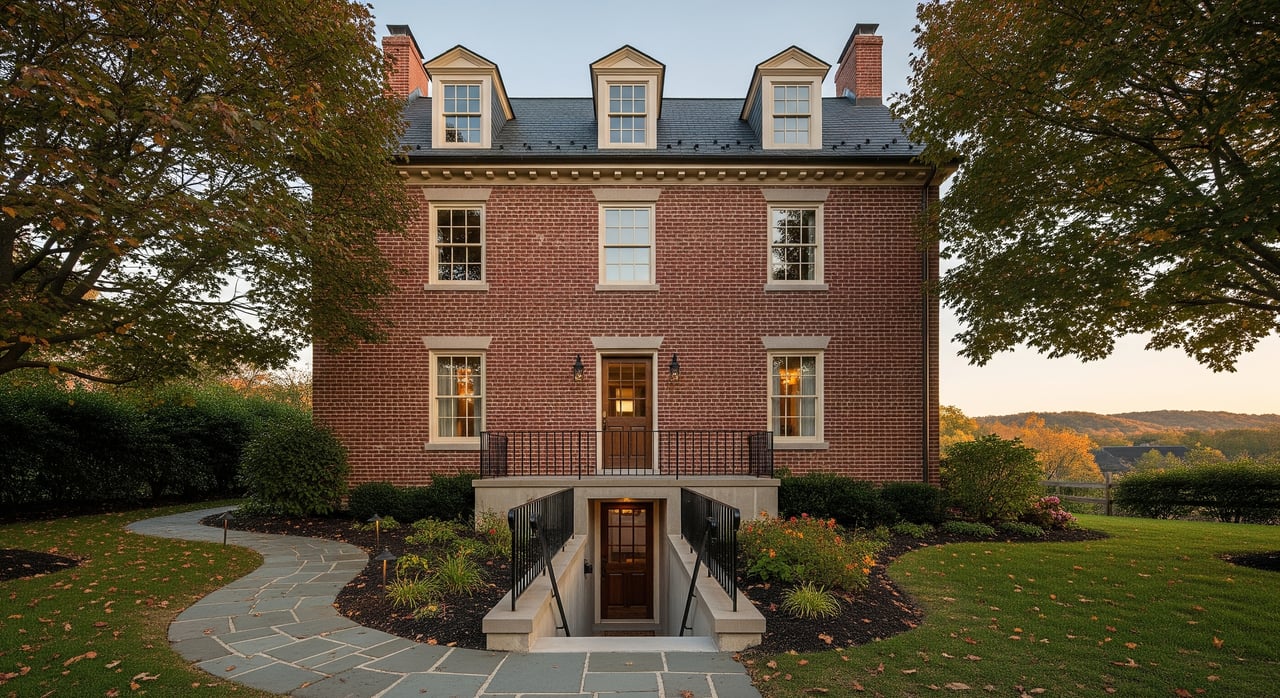
What if your home could help pay its own mortgage? For many buyers in Frederick County, house hacking is a practical way to reduce monthly costs and start building long-term wealth. You might be weighing rising prices, tight budgets, or the idea of becoming a first-time landlord. This guide shows you how to do it with confidence.
You will learn the property types that work in Frederick County, the financing paths most house hackers use, what to check for zoning and permits, how to run the cash flow math, and the steps to get pre-approved. Let’s dive in.
What house hacking means here
House hacking means you buy a home you live in and rent out part of it to offset expenses. In Frederick County, that can look like:
- Duplex, triplex, or fourplex where you live in one unit
- Single-family home with a legal accessory dwelling unit, basement apartment, in-law suite, or accessory apartment
- Single-family home where you rent out spare bedrooms
- A converted home with a permitted accessory apartment
Why it works locally:
- Many neighborhoods in the City of Frederick and across the county include older duplexes and small multi-unit buildings that fit owner-occupant setups.
- Rural parts of the county may be eligible for USDA financing that supports owner-occupants.
- Rules vary by location. City zoning and permitting can differ from unincorporated county areas and smaller towns, so early checks are essential.
Pick the right property type
2–4 unit buildings
If you want separation between your space and your tenants, a small multi-unit is often the best fit. You get dedicated entrances and easier marketing to renters. Most common owner-occupant mortgages allow 1–4 units. Expect lenders to ask for reserves and clear plans for occupancy.
What to check early:
- Zoning for multi-unit use on the parcel
- Required certificates of occupancy and any rental registration needs
- Insurance coverage that reflects a multi-unit property
Single-family with an ADU or apartment
An ADU or accessory apartment lets you stay in a single-family neighborhood while adding one rental unit. This is popular with buyers who want more privacy or a future option for extended-stay family.
What to check early:
- Local ADU rules, permits, and inspections for items like egress, fire separation, and parking
- If the home is on septic or well, whether the system can support an added unit
- HOA rules or condo bylaws that might restrict second units or renting
Renting rooms in a home
Room-by-room renting has the lowest barrier to entry, but it usually means more tenant turnover and more day-to-day management.
What to check early:
- Zoning allowances for room rentals and occupancy limits
- Lease structure and house rules to keep expectations clear
- Impact on your insurance and any HOA restrictions
Financing options you can use
There are several owner-occupant loan paths that work for house hacking. Program details and limits change, so plan to confirm current requirements with a lender.
FHA for 1–4 units
FHA financing allows owner-occupied purchases of 1–4 unit properties, often with a low down payment for qualified buyers. FHA requires mortgage insurance, both upfront and monthly. Lenders may count a portion of market rents or verified leases from the non-owner units when qualifying you.
Conventional loans
Conventional loans, including products from Fannie Mae and Freddie Mac, can offer lower long-term costs since there is no FHA mortgage insurance. For 2–4 unit properties, down payments and reserve requirements are often higher than for single-family homes. Conventional financing also tends to have tighter credit and debt-to-income standards.
VA loans for eligible buyers
If you are eligible for a VA loan, you can use it to purchase a 1–4 unit property as your primary residence, often with little or no down payment. A VA funding fee and occupancy rules apply.
USDA in eligible rural areas
USDA Rural Development loans can allow 100 percent financing in qualifying rural locations and are subject to location and income limits. Some outlying areas of Frederick County may qualify. A lender can verify eligibility for a specific address.
Lender requirements to expect
Before you shop, it helps to understand what most lenders will look for on owner-occupant multi-unit or ADU purchases.
- Owner-occupancy: You will be required to live in one unit as your primary residence, typically for at least 12 months.
- Reserves: Expect several months of principal, interest, taxes, and insurance in the bank for 2–4 unit purchases.
- Rental income: Lenders may allow a portion of market rent or existing leases from the other units to offset your payment. They also account for vacancy and property expenses.
- Mortgage insurance and fees: FHA mortgage insurance, conventional private mortgage insurance, or a VA funding fee will affect your monthly costs and cash to close.
- Credit and DTI: Conventional loans generally expect stronger credit and lower debt-to-income ratios. FHA is more flexible but adds mortgage insurance costs.
Document checklist for pre-approval:
- Government-issued photo ID and Social Security Number
- Two or more months of bank statements
- Two years of employment history and recent pay stubs
- W-2s and tax returns for the last two years; add profit and loss statements if self-employed
- Any current leases and rental history if applicable
- Statements for other assets such as retirement accounts
- Evidence of your down payment source
Zoning, permits, and ADUs in Frederick County
In Frederick County, rules depend on where the property sits. Properties inside the City of Frederick follow the city’s planning, zoning, and building codes. Properties outside city limits follow county rules. Some incorporated towns may have additional processes.
What to confirm before you buy
- Zoning classification and permitted uses. Confirm whether multi-units, ADUs, or room rentals are allowed for that parcel.
- Building permits and code items. Creating an ADU or converting a space usually requires permits and inspections for electrical, plumbing, egress, and fire separation.
- Parking and setbacks. ADUs often have minimum parking requirements and setback rules.
- Occupancy and certificate of occupancy. Many areas require an inspection and certificate before a new unit is occupied.
- Short-term rental limits. Rules for short-term rentals differ from long-term renting to tenants and may require separate licensing.
Utility capacity and septic or well
If the property is on public water and sewer, verify service capacity for added units. For homes on septic and well, adding a unit may require a septic evaluation or system upgrades, and a check on well capacity. These items can be costly, so review them before you finalize your offer.
HOA and condo restrictions
Many HOAs and condo associations restrict rentals, ADUs, or the ability to rent rooms. Review the governing documents during your due diligence period to avoid surprises.
Run the numbers with confidence
A clear, conservative cash flow model will tell you if a property supports your goals. Start with local rent comps from multiple sources and check them against recent leases when possible.
Key variables to estimate:
- Rental income: Market rent for each unit or bedroom
- Vacancy allowance: Commonly 5 to 10 percent for long-term rentals
- Operating expenses: Taxes, insurance, utilities you will pay, maintenance, management, HOA, and replacements. A simple rule of thumb is 30 to 50 percent of gross rent for a small multi-unit, but local conditions vary.
- Debt service: Monthly principal and interest plus taxes and insurance
- Capital expenditures: Set aside 5 to 10 percent of gross rent each year for big-ticket items such as roof or HVAC
- Initial cash outlay: Down payment, closing costs, required reserves, and any immediate repairs or rehab
Useful formulas:
- Gross Rent = sum of expected monthly rents
- Effective Gross Income = Gross Rent × (1 − Vacancy Rate)
- Operating Expenses = sum of monthly costs or a percentage of Gross Rent
- Net Operating Income (NOI) = Effective Gross Income − Operating Expenses
- Cash Flow Before Taxes = NOI − Monthly PITI
- Cap Rate = NOI ÷ Purchase Price
- Cash-on-Cash Return = (Annual Cash Flow ÷ Cash Invested at Purchase) × 100%
Worked example (illustrative only):
- Purchase price: 300,000 dollars
- Down payment: 20 percent = 60,000 dollars
- Loan: 240,000 dollars at 5 percent interest, 30-year fixed → monthly principal and interest about 1,288 dollars
- Taxes and insurance: 300 dollars per month → monthly PITI about 1,588 dollars
- Two rental units at 1,200 dollars each → Gross Rent = 2,400 dollars
- Vacancy allowance 8 percent → Effective Gross Income = 2,208 dollars
- Operating expenses at 40 percent of Gross Rent = 960 dollars → NOI = 1,248 dollars
- Cash Flow = NOI − PITI = 1,248 − 1,588 = −340 dollars per month
How to read it:
- Mortgage costs can quickly consume rent, especially at higher interest rates. The right purchase price and financing terms matter.
- Change the inputs to test scenarios. A lower price, higher down payment, higher rents, or lower expenses can swing the results positive.
- As an owner-occupant, tax treatment such as mortgage interest deductions and depreciation on the rental portion may affect your overall picture. Consult a CPA for guidance.
Step-by-step plan to get pre-approved
Get financially ready
- Pull your credit and fix any errors.
- Gather pay stubs, bank statements, W-2s or tax returns, and asset statements.
- Save for down payment, closing costs, and extra reserves if you want a 2–4 unit.
Speak with experienced lenders
- Ask about FHA and conventional options for 1–4 units, VA if eligible, and USDA eligibility for specific addresses.
- Request a written pre-approval that states your price range, product type, and reserve requirements.
Choose target areas and confirm zoning
- Use the county or city planning and zoning resources to verify whether multi-units, ADUs, or room rentals are allowed at each address.
Build a conservative cash flow model
- Use local rent comps and include a vacancy rate, realistic operating costs, and a line for capital expenditures.
Do thorough property inspections
- Focus on electrical, HVAC, foundation, roof, and any septic, well, or sewer capacity issues related to additional units.
Bring in specialists
- Consult a real estate attorney about leases and tenant issues, a CPA about taxes, and a contractor about ADU feasibility and costs.
Program details, loan limits, and permitting rules change. Always confirm current requirements with a lender and the relevant city or county departments before you make decisions.
Smart tips for Frederick County buyers
- Check zoning first. Do not rely on assumptions or past use. Confirm permitted uses for the parcel.
- Budget for the unexpected. Plan for higher vacancies and expenses until you build a proven rent roll.
- Mind the utilities. Verify capacity for additional units, especially on septic or well.
- Know your HOA rules. Make sure rentals and ADUs are allowed before you commit.
- Tell your insurer. Make sure your policy reflects a rental unit or roommate situation.
Get local help you can trust
House hacking can be a smart path to lower housing costs and long-term equity, but the details matter. Our team has helped first-time and budget-savvy buyers navigate financing, due diligence, and local rules across Maryland since 1985. We coordinate with lenders, title, and relocation partners so you can focus on the right property and a clear plan to cash flow.
If you are exploring duplexes, ADUs, or a home with rental potential in Frederick County, let’s talk through your goals and build the right approach. Schedule a quick consult with the Nancy Hulsman Group.
FAQs
What is house hacking in Frederick County?
- It means you buy a home you live in and rent part of it, such as another unit, an ADU, or bedrooms, to offset housing costs while following local zoning and permitting rules.
Can I use FHA to buy a duplex in Frederick County?
- Yes, FHA commonly allows owner-occupied purchases of 1–4 unit properties for qualified borrowers, with mortgage insurance and occupancy requirements.
Are ADUs allowed inside the City of Frederick?
- It depends on the zoning and property specifics. You should confirm ADU allowances, permits, inspections, and parking requirements with the city before you buy or build.
How do lenders count rental income when I qualify?
- Lenders may use a portion of market rent or verified leases from the other units, while also considering vacancy and expenses. The exact treatment varies by loan type.
What costs should I budget beyond the mortgage?
- Include taxes, insurance, utilities you will cover, routine maintenance, HOA dues, potential management, and a reserve for capital items like roof or HVAC.
Are short-term rentals an option for house hacking here?
- Short-term rentals follow different rules and may require licensing. Check the city or county rules for the property’s location before planning any short-term rental use.
How long must I live in the property for owner-occupant loans?
- Most programs require you to occupy the property as your primary residence for at least 12 months. Confirm the exact requirement with your lender.
What if the property has a septic system or well?
- Adding a unit may require a septic evaluation or upgrades and a check on well capacity. Verify these items early to avoid costly surprises.