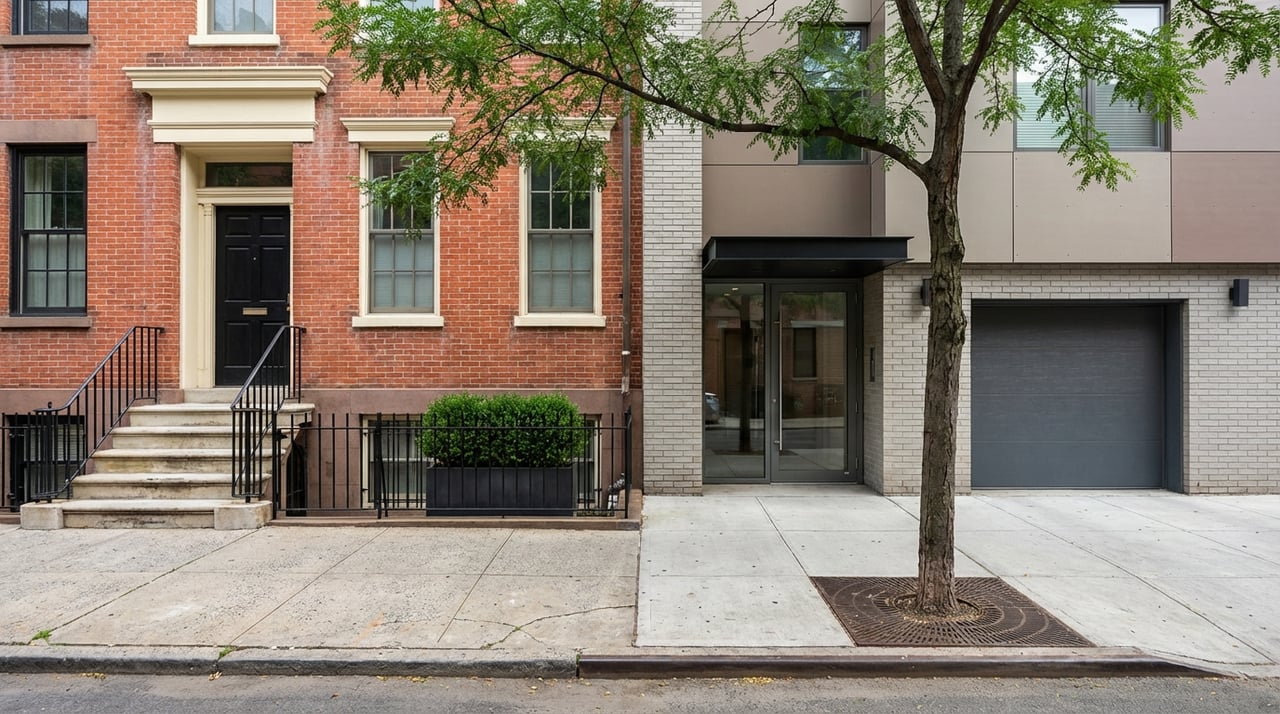
Trying to choose between a Baltimore rowhouse and a condo can feel like two good answers to the same question: how do you want to live in the city? You might want more privacy and a little yard, or you might prefer a lock-and-leave building with elevators and amenities. In a few minutes, you’ll learn how ownership, maintenance, parking, costs, and financing differ in Baltimore, plus a clear checklist to help you decide with confidence. Let’s dive in.
Rowhouse vs. condo: what you own
A condominium in Maryland is a legal ownership structure. You own your individual unit and a shared interest in the common elements, and the community is governed by recorded documents under the Maryland Condominium Act. If you are considering a condo, review the declaration, bylaws, and budget because those define what the association maintains and what falls to you. You can read the statutory framework in the Maryland Condominium Act.
A typical Baltimore rowhouse is fee simple. That means you own the home and the ground it sits on, even if you share party walls with neighbors. You usually control both interior and exterior upkeep unless a homeowners association covers specific exterior items. Some rowhouses have been converted to condo regimes, so always confirm how a property is structured before you write an offer.
Everyday living: how it feels
Maintenance and repairs
In most condos, the association handles exterior and common-area items such as the roof, façade, elevators, landscaping, and snow removal. Those costs are paid through monthly assessments, and you should ask for the budget, reserve study, and recent meeting minutes to see what might be coming. The NAR Buyer Guide is a good refresher on what to request and why it matters.
With a rowhouse, you are typically responsible for the exterior, roof, gutters, stoop, and yard. That gives you more control over timing and materials, but you also carry the cost and coordination. If the home is inside an HOA, confirm whether any exterior items are included in small community dues.
Outdoor space and amenities
Rowhouses often provide a small private yard, rear patio, or even a roof deck, which can feel more like traditional house living. Condos usually offer balconies or shared spaces like rooftop decks, terraces, and fitness rooms. Your decision here often comes down to whether you prefer low-maintenance access to the outdoors or private space you can personalize.
Parking and street access
Parking varies block to block in Baltimore. Many neighborhoods use residential permit zones through the city’s RPP program. If a property lacks a garage or assigned space, check the Residential Permit Parking program and observe parking demand on the block at different times.
Historic districts and exterior work
A number of the city’s most charming blocks are inside local historic districts. Exterior changes visible from the street, like windows, doors, or a new stoop, often require review by Baltimore’s CHAP. That review can affect timing, scope, and cost, and in some cases may open the door to tax credits if you follow the process. Learn more about the CHAP review process before you plan projects.
Older homes and lead paint
Much of Baltimore’s housing stock predates 1978. Federal law requires disclosure of known lead-based paint in pre‑1978 homes and distribution of the EPA/HUD pamphlet during sales. If you are considering an older rowhouse or a condo in a historic building, plan for lead-safe practices and consider testing during your inspection period. Review HUD’s overview of lead-based paint rules and guidance.
Costs, taxes and financing
Property tax math in Baltimore
Baltimore City’s Fiscal 2026 real-property tax rate is set at 2.248 dollars per 100 dollars of assessed value. To estimate annual taxes, multiply your assessed value by 0.02248. To estimate your monthly amount, divide that by 12. You can confirm the current rate on the city’s tax rates page.
Monthly HOA dues in condos
Condo dues vary by building age, size, and amenities. A tower with concierge, pool, garage, and central systems typically has higher dues than a small walk-up with minimal common elements. Dues often cover common maintenance, master insurance, some utilities, and reserves, but always verify line items. For a primer on what dues may include, see this overview of HOA fees and coverage, then confirm details in the building’s actual budget.
Financing and condo eligibility
Condo projects must meet specific lender and agency guidelines, including owner-occupancy levels, reserve funding, insurance, and litigation status. If a project falls outside those standards it may be considered non-warrantable, which can limit loan options or raise down payment requirements. This deep dive on condo project review explains what lenders look for.
If you plan to use FHA or VA financing, check whether the condo is approved early in your search. FHA maintains a searchable list and allows certain single-unit approvals in specific cases. Learn how to find FHA-approved condos and have your lender verify project status during your contingency period.
Insurance basics
Condo owners typically carry an HO‑6 policy for interior finishes, personal property, liability, and loss‑assessment coverage. The association’s master policy covers common elements and, depending on the form, parts of the building shell. Rowhouse owners usually carry a full homeowners policy that covers the structure and contents. Ask your agent to review the HOA’s master policy form and deductibles so you can set the right personal coverage.
Where rowhouses and condos cluster
Rowhouses are the defining home type across many city neighborhoods, including Federal Hill, Fells Point, Canton, Mount Vernon, Charles Village, and Reservoir Hill. You will find long blocks of brick facades, stoops, alleys, and small yards that read as classic Baltimore.
Condos, especially mid- and high-rise buildings, concentrate around the Inner Harbor and waterfront pockets like Harbor East and downtown. Mixed areas such as Fells Point, Canton, and Federal Hill often offer both options on neighboring blocks.
Quick decision guide
Use these prompts to clarify your fit before you tour homes:
- Ownership: Do you want fee-simple control or a condo structure with shared responsibility?
- Maintenance: Would you rather schedule your own exterior repairs or pay monthly dues for building-wide upkeep?
- Outdoor space: Do you prefer a private yard or a balcony and shared amenities?
- Parking: Do you need a deeded space or garage, or will on-street permit parking work for your routine?
- Financing: Will you use FHA or VA financing that requires condo project approval, or a conventional loan that may also review project health?
- Total monthly carry: What is your all-in number when you add mortgage, city taxes, HOA dues, insurance, and utilities?
A simple worksheet can help:
- Estimate mortgage principal and interest with your lender.
- Calculate city property tax using the 2026 Baltimore rate and divide by 12.
- Add monthly HOA dues if considering a condo.
- Add homeowners or HO‑6 insurance and average utilities.
Due diligence checklists
If you are leaning condo
- Ask for the HOA resale packet: declaration, bylaws, budget, financials, reserve study, and recent meeting minutes. The NAR Buyer Guide outlines what to request.
- Confirm the exact monthly dues and what they include, such as water, parking, or security. Review how often dues have changed and why.
- Review reserves and any history of special assessments. Look in board minutes for upcoming projects.
- Get the master insurance policy and see whether it is all-in or bare-walls, plus the master deductible. Adjust your HO‑6 and loss‑assessment coverage accordingly.
- Ask your lender to run project eligibility early. This condo project review guide explains common deal breakers. If you need FHA, here’s how to check FHA-approved condos.
- Confirm parking rights, storage, pet rules, and any rental restrictions that can affect future resale.
If you are leaning rowhouse
- Review seller disclosures and ask for roof, drainage, and basement water history, plus any repair invoices.
- If the home is in a historic district, understand CHAP review for exterior work and whether projects could qualify for credits. See the city’s CHAP guidance.
- For pre‑1978 homes, request any lead reports or include a lead inspection contingency. HUD provides lead-based paint guidance.
- If you are evaluating a vacant or distressed property, explore city incentives such as Vacants to Value and Reinvest Baltimore on the Baltimore programs page. Confirm eligibility and timelines before you budget for rehab.
- If planning structural changes, ask about party-wall conditions, permits, and neighbor coordination.
When you are ready to compare specific homes in Baltimore, our team can help you line up the documents, confirm financing fit, and pressure test the numbers so you can choose with clarity. If you want a clear plan to move forward, connect with the Nancy Hulsman Group to Book a Consultation.
FAQs
What is the legal difference between a Baltimore condo and a rowhouse?
- In a condo, you own your unit plus a shared interest in common elements under the Maryland Condominium Act; a rowhouse is typically fee simple, so you own the home and land outright.
How do Baltimore City property taxes impact my monthly payment?
- Multiply the assessed value by 0.02248 to estimate annual tax, then divide by 12 to add a monthly figure to your budget.
Can I use FHA or VA financing to buy a Baltimore condo?
- Often yes, but the condo project must meet agency rules; have your lender check the building’s approval or eligibility early.
Do I need a parking permit near a rowhouse or condo without a garage?
- Many neighborhoods use residential permits; check the local RPP zone, visitor rules, and block demand before you buy.
What should I review in a condo’s HOA documents?
- Focus on the budget, reserves, special-assessment history, master insurance, owner-occupancy levels, and any litigation or rental limits.