If the water calls you, Anne Arundel County answers. From quiet creek coves to bustling harbor scenes, life along the Chesapeake here blends everyday convenience with a true maritime rhythm. Whether you dream of a private pier, a community slip, or simply weekends at the beach, this guide gives you a clear picture of the lifestyle and the practical steps to make it yours. Let’s dive in.
Why Anne Arundel’s waterfront stands out
Anne Arundel County is built for boating and Bay living. The county’s marina inventory counts about 303 marinas and 12,035 boat slips spread across its rivers and creeks, with roughly 533 miles of shoreline to explore. You feel that scale in daily life, from neighborhood piers to full-service boatyards. You can scan the county’s marina distribution and slip types in the official Marinas of Anne Arundel County report.
The culture matches the setting. Annapolis is a regional sailing hub anchored by City Dock and Ego Alley, where race nights and harbor strolls are part of the routine. The Annapolis Boat Shows in spring and fall bring new gear, dream yachts, and national buzz right to downtown.
Know the waterways
Each river and bayfront pocket has its own feel, boating conditions, and everyday conveniences. Here is how major areas differ so you can match your lifestyle to the water.
Severn River and Downtown Annapolis
Close to restaurants, events, and harbor activity, the Severn offers quick access to deep water and a dense marina and yacht-club scene. Around City Dock and Ego Alley, you can watch visiting boats, grab a gelato, or catch holiday boat parades. Weekly sailboat racing, including the local Wednesday Night Races, is a summer staple.
South River (Edgewater, Riva, Mayo)
You find a practical mix of private piers, community marinas, and waterfront dining. Many neighborhoods have community beaches or ramps, which is handy if you want water access without the upkeep of a private dock.
Magothy River and Little Magothy
Expect wooded coves and a range of water depths, with many community docks and pockets of deep-water access. It is a good fit if you want a neighborhood feel with ready access to the Bay.
Herring Bay and the western shore (Deale, Galesville, Shady Side)
This stretch leans into a working-marina tradition alongside crab houses and marina resorts. You see service hubs that support cruising and fishing, plus quieter stretches of bayfront living.
West River, Rhode River, and the Patapsco estuary
These areas offer smaller coves and laid-back residential waterfronts. Near the Patapsco you also find some working waterfront and industrial views, which can keep certain pockets calmer for paddling and creek cruising.
Boating access made easy
You do not need to own a slip to get on the water. The County maintains multiple public water access sites, cartop launches, and several paved ramps. Discovery Village, Fort Smallwood Park, and Solleys Cove are among the paved options listed on the county’s boat ramps and launches page.
For a beach day or group launch, Sandy Point State Park offers a long sandy shoreline, fishing and crabbing areas, and multiple ramps. It is one of the easiest places to introduce out-of-town guests to the Chesapeake.
If you plan to keep a boat, you can choose from full-service commercial marinas, yacht clubs, or community marinas tied to specific neighborhoods. County data shows commercial marinas hold most slips, with about 8,400 commercial slips versus roughly 3,600 in community marinas. That variety lets you pick the right balance of amenities, location, and cost.
Parks, crabs, and seasonal moments
Waterfront living here includes simple pleasures year-round. Quiet Waters Park lines the South River with trails, art spaces, and panoramic overlooks that make for easy weekend plans. Neighborhood wharves and small launches put fishing, paddling, and sunset walks close to home.
On the dining front, the local crab-house tradition is alive and well. You can order steamed crabs on paper-covered tables at spots like Cantler’s Riverside Inn or pull up to dockside restaurants after a cruise.
Spring and fall bring the Annapolis Boat Shows. In late spring, U.S. Naval Academy Commissioning Week adds energy across the harbor. Summer evenings often fill with sailboat races, and winter brings festive boat parades along Ego Alley.
What waterfront homes look like
You will see a mix of property types on the market. Understanding the differences helps you set the right expectations for access, maintenance, and permitting.
Direct waterfront with private pier
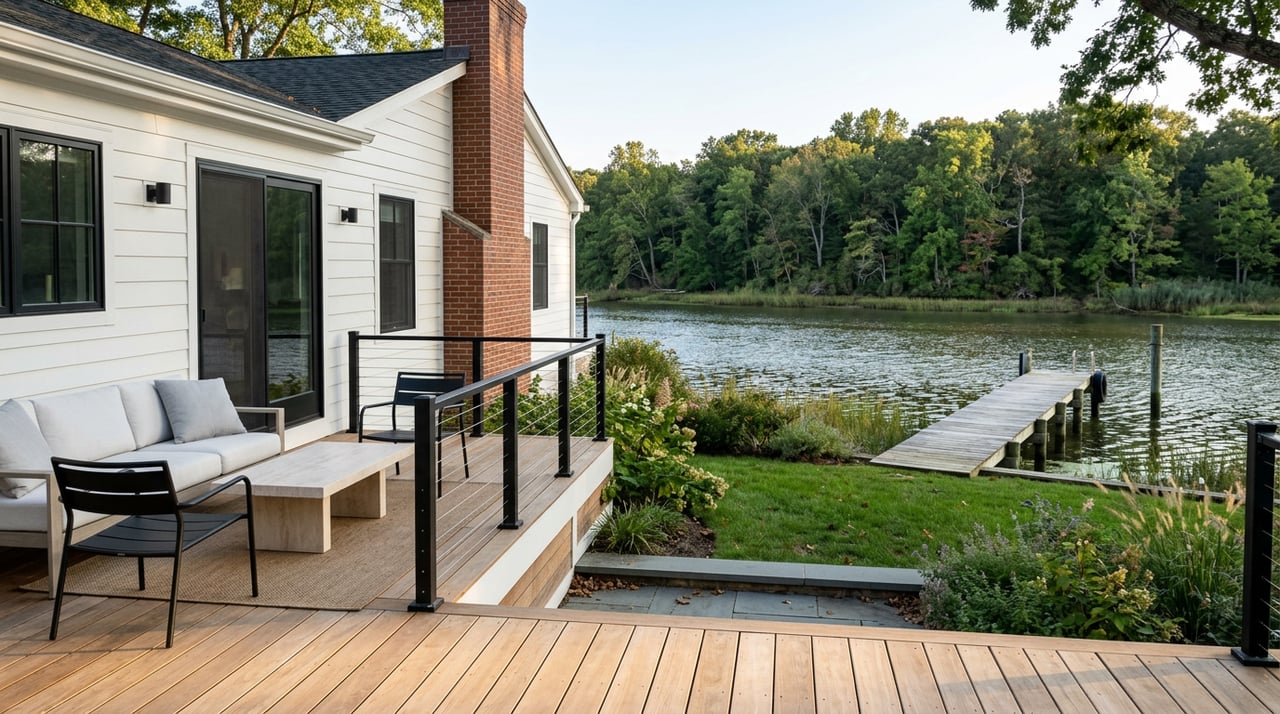
These single-family homes sit on the shoreline and typically include bulkheads and fixed or floating piers. You get immediate water access and full control of your slip, plus a responsibility to maintain docks and shore protection.
Living shorelines and marsh edge
Some homes front softer, low-profile shorelines that use planted marsh and rock to stabilize the edge. This approach supports habitat and can improve resilience. Learn how Maryland structures these projects and incentives in the state’s living shorelines guidance.
Water-privileged homes with community access
These are not directly on the water but include deeded or HOA access to a community marina, pier, or beach. It is a smart middle ground if you want easy access without private shoreline ownership.
Condos and townhomes with marina amenities
Some multi-unit communities include small-boat slips, dinghy docks, or transient slip programs. Inventory is more limited than single-family waterfront, but it can be a low-maintenance way to stay close to the action.
Smart due diligence before you buy
Waterfront ownership comes with unique rules and responsibilities. A focused pre-offer checklist protects your plans and budget.
- Flood risk and future water levels. Review FEMA mapping and the County’s planning materials. The county’s Hazard Mitigation Plan cites Maryland sea-level projections of about 0.48 meters (roughly 1.56 feet) by 2050 and up to about 1.11 meters (roughly 3.63 feet) by 2100 under an intermediate to high scenario. Expect more nuisance high-tide flooding in some areas. See the County’s Hazard Mitigation Plan for context.
- Pier, dock, and shoreline permits. Work in tidal waters or wetlands usually requires state and sometimes federal permits. Do not assume you can build or expand a pier without approvals. Start with Maryland’s living shorelines guidance, and get familiar with the U.S. Army Corps’ permitting overview for small projects.
- Shoreline type and maintenance records. Ask when bulkheads or piers were built or last repaired, and whether any grants or inspections exist. Different shoreline protections have different lifespans and upkeep.
- Marina or HOA slip arrangements. If access depends on a community marina, confirm deeded rights, fees, rules, waitlists, and whether slip assignments transfer at closing. County inventories show many HOA-held community slips, so details matter.
- Utilities and septic. Some pockets are on public sewer while others rely on septic. Service type can affect renovations and timelines, so verify early.
- Water quality and stewardship. Local watershed groups track trends and organize restoration work. The Severn River Association shares updates you can use when planning swimming, paddling, or shellfish outings.
A simple week on the water
- Monday. Sunrise coffee on the deck while ospreys circle the creek. A quick paddle before work makes the week feel lighter.
- Wednesday. An early dinner, then you watch sailboats line up across the Severn for midweek races. Even from shore, it is a show.
- Friday. Friends arrive for the weekend. You grab steamed crabs and watch boats parade through Ego Alley.
- Saturday. Morning launch at a public ramp, an easy cruise to a riverside cove, and a lazy afternoon swim. Sunset returns you to the dock for s’mores.
- Sunday. A bike ride through a waterfront park and a slow lunch on a marina patio. By evening, you are planning next weekend.
How we help you navigate it
Waterfront decisions deserve clear guidance and reliable execution. You get both with our experienced team, coordinated systems, and regional reach. We help you weigh river-by-river tradeoffs, confirm permitting pathways, and line up the right inspectors and contractors before you commit. If you are relocating, we coordinate timing and connect you with trusted lending and title partners so your move is smooth from offer to closing.
Ready to find your place on the water? Connect with the Nancy Hulsman Group to talk goals, neighborhoods, and next steps. Book a consultation, and let’s build a plan around the lifestyle you want.
FAQs
What makes Anne Arundel County unique for waterfront buyers?
- A dense marina network, about 12,035 slips across 303 marinas, and roughly 533 miles of shoreline create many options for boating, dining, parks, and everyday access to the Bay.
Where can I launch a boat if I do not own a slip?
- The County operates multiple public sites and paved ramps, and Sandy Point State Park offers beaches, fishing, and several boat ramps for easy Bay access.
How do sea-level rise and flooding affect buying decisions?
- County planning documents project higher water levels and more nuisance flooding by mid-century, so factor elevation, flood zones, insurance, and shoreline resiliency into your offer.
What is the difference between a private pier and a community marina?
- A private pier gives direct control and immediate access, with higher upkeep. A community marina offers shared access through an HOA, usually with rules, fees, and possible waitlists.
Do I need permits to repair or build a dock?
- Most in-water work requires state and sometimes federal approvals. Review Maryland guidance and the U.S. Army Corps permitting process before planning pier or shoreline projects.