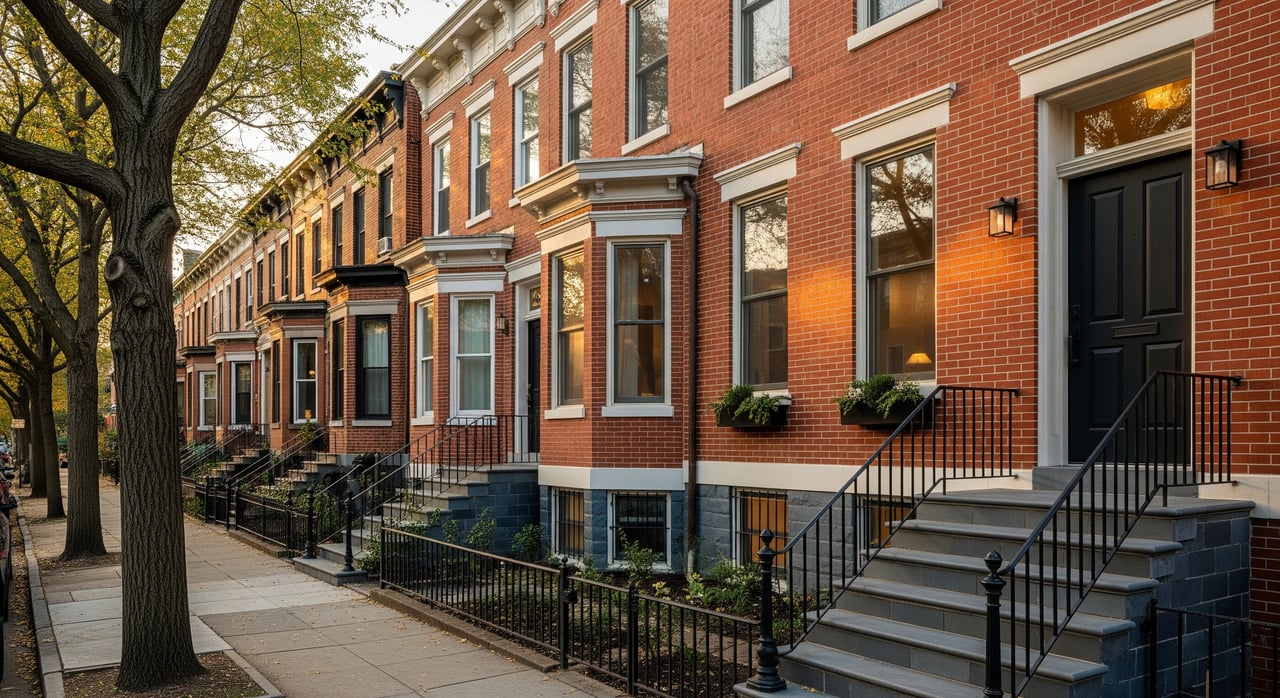
Eyeing Baltimore’s city-owned homes as your next investment, but not sure where to start? You’re not alone. The opportunity is real, yet the process is different from a typical MLS purchase and demands solid planning. In this playbook, you’ll learn where to find properties, how each buying path works, what the City expects after award, and the due diligence that protects your budget and timeline. Let’s dive in.
Baltimore’s opportunity at a glance
Baltimore is moving thousands of vacant properties back into productive use through active sale programs and incentives. City and independent reports place vacant buildings in roughly the mid‑five digits, with tens of thousands of vacant lots across the city. The City outlines its approach and programs on its official vacants page, and policy research adds context on scale and strategy. See the City’s overview and the Abell Foundation’s analysis for the big picture of vacancy and neighborhood reinvestment efforts (City of Baltimore, Abell Foundation).
Where to find properties
Start with the Department of Housing and Community Development’s BuyIntoBmore portal and the Vacants to Value property map. DHCD states the map updates frequently and it is the primary source for current city-owned listings, program eligibility, and parcel details (DHCD development opportunities).
If you are exploring tax-driven acquisitions, review Baltimore’s annual tax sale process. The City runs a May sale of delinquent liens and maintains lists of certificates, with separate timing and rules from DHCD retail sales (Baltimore City Comptroller tax sale programs).
How the City sells homes
Open Bid program
Through Open Bid, you submit a competitive application on specific properties. DHCD screens applicants for capacity, including background checks and proof of rehab funds. The City notes a benchmark of about $90,000 in available rehab capital per property as part of screening, plus checks for open liens or judgments (DHCD Open Bid).
Fixed Pricing program
Some properties are offered at set prices under Fixed Pricing. Phases may prioritize Baltimore residents or certain buyer types for a limited window. Inventory and pricing tiers change, so review current phase rules before you apply (DHCD Fixed Pricing).
Adopt‑A‑Lot and side yards
Vacant lots can be licensed for community use under Adopt‑A‑Lot, and side‑yard sales allow adjacent owner‑occupants to purchase lots at modest fixed prices. These tools can support small-scale land assembly when you already own the neighboring property (DHCD Adopt‑A‑Lot).
Tax‑sale certificates
Buying a tax‑sale certificate is not the same as taking title. Certificates follow state foreclosure and redemption rules, which are separate from DHCD sales. If you choose this path, build in time and legal costs and consult experienced counsel.
Purchase terms and timelines
After award, you will sign the City’s contract and proceed to settlement with a selected title company. DHCD materials note buyers bring a 10 percent deposit at settlement, though you should confirm program requirements for your specific deal. Many contracts require completing rehabilitation and obtaining a Certificate of Occupancy on a set timeline, often around 12 months, with permit registration and periodic progress updates to the City (DHCD How to Buy).
Funding and incentives
Owner‑occupant strategies can pair acquisition and rehab financing with local incentives. Baltimore offers programs like Vacants to Value Booster, Live Near Your Work, and first‑time buyer assistance that can reduce net costs when you meet occupancy and documentation requirements (DHCD homeownership incentives). For investor rehabs, private construction loans or hard‑money financing are common. Always confirm your lender accepts City contract terms and timing.
Due diligence checklist
Do these items before you apply, bid, or sign:
- Title and liens. Order a full title search that includes municipal and vendor liens, utility balances, and any DHCD loans. Clarify who pays outstanding municipal charges at settlement.
- Tax status and sale history. Check whether the parcel has a tax‑sale certificate and the implications for redemption or foreclosure timelines. If you are pursuing certificates, study Baltimore’s tax sale rules.
- Code and permit history. Pull Vacant Building Notices, repair orders, and any open code cases. Plan to register your project and schedule inspections as required.
- Physical hazards. Older Baltimore housing stock often involves lead‑based paint and possibly asbestos in building materials. Plan for proper testing and lead‑safe work practices following EPA guidance (EPA lead paint guidance).
- Scope, budget, and timeline. Build a contractor‑verified scope that includes permit fees, inspections, overhead, and at least a 20 percent contingency to cover unknowns in distressed structures.
Risks and pitfalls
- Financial readiness. DHCD may decline applications without clear proof of rehab funds. Cost overruns, structural surprises, and permitting delays can erode returns.
- Title and municipal charges. Some liens and fees can survive to settlement unless cleared. Factor payoffs into your budget and use a title company experienced with City contracts.
- Program changes. Inventory, pricing, and eligibility windows can shift. Track DHCD notices and verify rules on the portal the week you apply.
- Community expectations. Larger aggregations of properties can draw public scrutiny. Communicate clearly and align your plan with block‑level goals where possible.
Step‑by‑step workflow
- Get prepped. Line up proof of funds or financing and assemble your team, including a title company and licensed contractor.
- Search and screen. Use BuyIntoBmore to find properties and export parcel details. Cross‑check code, tax, and permit histories.
- Underwrite. Build a realistic rehab scope, cost, and timeline with contingency. Include permit and inspection schedules.
- Apply or bid. Complete the Open Bid or Fixed Pricing application and attach proof of funds. Expect background checks and screening.
- Close and comply. After award, sign the City contract, bring your deposit to settlement, register permits, and deliver reports and inspections through to Certificate of Occupancy.
Next steps
City‑owned properties can be a smart addition to your portfolio when you respect the process and plan for compliance. With the right team, you can turn complex acquisitions into predictable projects.
If you want experienced guidance on sourcing, underwriting, and coordinating your purchase and rehab, reach out to the Nancy Hulsman Group. Our team approach helps you move from opportunity to outcome with clarity and confidence.
FAQs
How do you find Baltimore city‑owned homes for sale?
- Start with DHCD’s BuyIntoBmore portal and Vacants to Value map, which list city‑owned properties and update frequently, then verify each parcel’s status before applying.
What rehab timeline should you expect after buying?
- Many City contracts require you to complete rehabilitation and secure a Certificate of Occupancy on a defined schedule, often around 12 months, along with permit registration and progress updates.
Can out‑of‑state investors buy city‑owned properties in Baltimore?
- Yes, though some Fixed Pricing phases prioritize Baltimore residents or certain buyer types for a limited window, so check the current program rules before you apply.
What incentives are available if you plan to live in the home?
- Baltimore offers homeownership incentives such as Vacants to Value Booster and Live Near Your Work that can reduce acquisition and rehab costs when you meet occupancy and documentation requirements.
What are the biggest risks when buying a city‑owned home?
- The most common issues are underestimating rehab costs, delays in permitting, and title or municipal charges that surface late, so thorough due diligence and a strong contingency are essential.