Moving for work can make Baltimore City feel bigger than it is. If you are trying to balance housing options, commute time, and day-to-day convenience, the fastest way to get traction is to start with where you work, not just where you think you want to live. This guide will help you understand Baltimore’s housing types, major commute patterns, and the neighborhood clusters that often make the most sense for relocating professionals. Let’s dive in.
Start with your job location
Baltimore City is not a one-size-fits-all commute market. According to the Maryland Department of Planning ACS profile, 55.5% of workers drove alone, 10.3% used public transportation, 5.6% walked, and 17.8% worked from home. The mean one-way commute was 29.1 minutes, which shows that both transit and driving play an important role in how people move through the city.
That mix matters when you are relocating for work. In some parts of Baltimore, you may be able to live with one car or even go car-light. In others, your daily routine may work better if you prioritize highway access or easier parking from the start.
A smart relocation search usually begins with one of four work anchors:
- Downtown, Inner Harbor, University Center, and UMMC
- Johns Hopkins campuses, including East Baltimore, Homewood, and Bayview
- Penn Station and the regional rail corridor
- South Baltimore, including port, stadium-area, and nearby industrial or logistics jobs
Baltimore housing looks different than many suburbs
If you are moving from a suburban market, Baltimore’s housing mix may be one of your first adjustments. The city’s 2020-2024 ACS profile shows that 50.4% of housing units were 1-unit attached, while only 14.7% were 1-unit detached. Another 15.0% were in buildings with 20 or more units.
In practical terms, that means your most common choices will be rowhomes, condos, and apartments. Baltimore City also has a strong rental presence, with 52.5% of occupied units renter-occupied, so both buyers and renters will find a broad mix of urban housing formats.
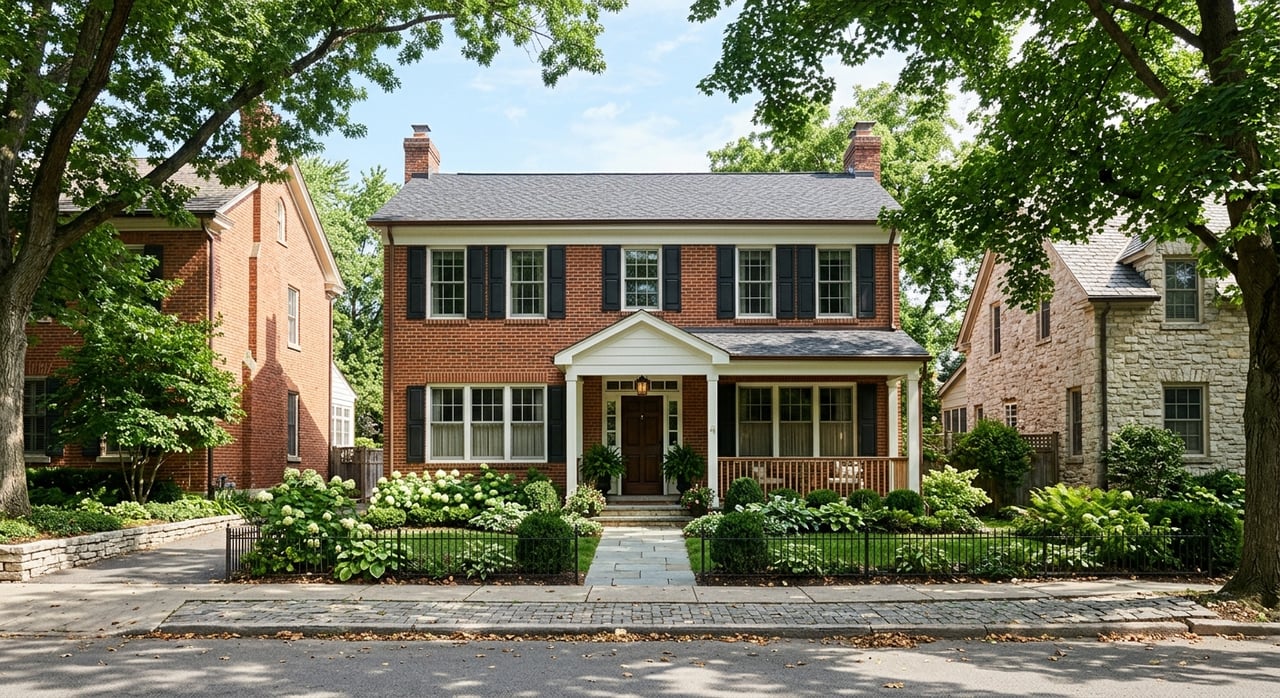
The rowhouse is especially important here. Baltimore City preservation materials identify the rowhouse as a dominant building type and a defining part of the city landscape. For many relocating buyers, the real decision is less about “house versus condo” and more about which style of attached or urban housing best fits your commute and budget.
Best areas for downtown and UMMC jobs
If your work is in Downtown, the Inner Harbor, University Center, or at the University of Maryland Medical Center, you will usually want to begin your search close to the central core. This area benefits from Light RailLink stops at Camden Station, Convention Center, Baltimore Arena at University Center, Lexington Market, Mount Vernon, State Center, North Ave, and Penn Station.
Neighborhoods commonly worth reviewing first include:
- Downtown
- Inner Harbor
- Ridgely’s Delight
- Barre Circle
- Seton Hill
- Jonestown
- Washington Village/Pigtown
These areas offer different housing formats. Downtown and the Inner Harbor lean more toward condos and apartment buildings, while Ridgely’s Delight, Barre Circle, Seton Hill, and Jonestown are more rowhouse-oriented.
For a relocation decision, this can simplify your search. If you want to minimize commute time and keep more of your routine walkable or transit-friendly, central neighborhoods often give you the clearest path.
Best areas for Johns Hopkins and Penn Station commuters
If you are working at Johns Hopkins Homewood, East Baltimore, or Bayview, or if Penn Station is part of your regular travel routine, your shortlist will likely shift north or northeast. Johns Hopkins operates across multiple campuses, and that campus structure can shape your ideal home base more than your job title alone.
Johns Hopkins Medicine’s Homewood-to-medical shuttle connects Homewood, Charles Village, Mount Vernon, Penn Station, and the medical campus. MTA’s CityLink BLUE also runs to Johns Hopkins Bayview through downtown and West Baltimore MARC, which makes route alignment especially important.
For these commute patterns, practical neighborhoods to study include:
- Charles Village
- Mount Vernon
- Remington
- Woodberry
- Hampden
These neighborhoods offer a mix of classic rowhouse blocks, condos, detached homes in select areas, and apartment buildings. Charles Village and Remington are listed as about 5 minutes from Penn Station, while Mount Vernon is described as steps away from Penn Station. Woodberry also stands out for access to both I-83 and Light Rail, which can help if you expect to mix driving with rail or transit.
Best areas for waterfront and lifestyle-driven commutes
Sometimes your goal is not simply to live as close as possible to the office. You may want a neighborhood that supports a mix of work access, walkability, and a more lifestyle-oriented setting. In Baltimore, that often leads buyers and renters to the waterfront and nearby mixed-use areas.
Strong options to evaluate include:
- Harbor East
- Canton
- Fells Point
- Federal Hill
- Locust Point
These neighborhoods offer a broader mix of urban living choices. Harbor East features townhomes and luxury apartments, Canton includes traditional rowhouses, new-construction townhomes, waterfront condos, and apartment buildings, and Fells Point combines historic rows with apartments and newer townhomes. Federal Hill and Locust Point also offer a blend of older housing stock and newer development.
If you work downtown or follow a hybrid schedule, these neighborhoods can be especially appealing because they combine commute access with restaurants, shops, and walkable daily conveniences. The tradeoff is that your parking plan may need extra attention if you expect to drive often.
South Baltimore and port-area job access
South Baltimore matters if your work touches the stadium district, port-related operations, or nearby industrial corridors. Light RailLink serves Camden Station and other south-city stops, which helps connect this area back into the central city commute network.
Federal Hill, Locust Point, Barre Circle, and Washington Village/Pigtown all sit in this broader south and central commute zone. Locust Point is a useful example because it combines historic rowhouses with newer development and office space, showing how older neighborhood fabric and newer employment patterns often meet in Baltimore.
If your workday starts south of downtown, starting your search in this zone can save time and narrow your options quickly. That is often more effective than beginning with citywide neighborhood names and trying to work backward.
Can you live car-light in Baltimore City?
In the right location, yes. Baltimore’s ACS profile shows that 26.7% of occupied housing units had no vehicle available, which helps explain why transit access and walkability play such a large role in city housing decisions.
Several neighborhoods commonly considered by relocating professionals are also noted as transit-friendly or walkable. Inner Harbor, Ridgely’s Delight, Barre Circle, and Jonestown each show Transit Scores of 100 on their neighborhood pages, while Charles Village, Mount Vernon, and Harbor East also score well for walking and transit access.
That does not mean every relocation household should skip a car. It does mean you should think realistically about your work location, grocery routine, parking expectations, and how often you travel outside your immediate corridor.
Transit options to understand early
Baltimore gives relocating professionals several transit tools worth learning before you choose a home. The Maryland Transit Administration system includes Light RailLink, Metro SubwayLink, MARC Train, Commuter Bus, and the BaltimoreLink bus network.
A few routes and stations tend to matter most for work-related moves:
- Light RailLink runs from BWI Airport and Glen Burnie to Hunt Valley through downtown
- Metro SubwayLink runs from Owings Mills to Johns Hopkins and serves stops including Charles Center, Lexington Market, State Center, Penn North, Mondawmin, and Johns Hopkins
- MARC Penn Line operates primarily between Baltimore Penn Station and Washington Union Station
- MARC Camden Line operates out of Camden Station in downtown Baltimore
- CityLink GREEN connects Downtown and Towson, including Penn Station on the route
- CityLink BLUE connects CMS and Johns Hopkins Bayview through downtown and West Baltimore MARC
If your job requires occasional travel to Washington or other regional sites, Penn Station can be as important as your office address. Amtrak notes that Baltimore Penn Station connects with MARC, Light Rail, and the Charm City Circulator, which makes it a major regional anchor for some relocation buyers.
What to check if you expect to drive
Even in a city with viable transit corridors, Baltimore remains mostly drive-alone by share. That means driving can work well, but only if you factor in the details early.
As you compare homes, pay close attention to:
- Daily parking options
- Street parking conditions versus structured parking
- Access to I-83, I-95, or your most-used route
- Whether your workplace parking is simple or limited
- How much extra time parking adds to the commute
This is especially important in more walkable and higher-density areas. A neighborhood may feel ideal on the map, but your daily experience can change quickly if parking is tight or your route in and out is slower than expected.
The fastest way to narrow your home search
If you are relocating on a deadline, do not start by trying to learn every Baltimore neighborhood at once. Start with your work anchor and then match that area to the housing style you want most.
A practical process often looks like this:
- Identify your primary work location
- Decide whether you want to drive, use transit, or mix both
- Choose your preferred housing type, such as rowhome, condo, or apartment
- Check parking or station access before you fall in love with a property
- Build a short list of neighborhoods within the best-fit corridor
This approach reduces search fatigue and keeps the decision grounded in your real routine. In Baltimore City, commute pattern and housing type are often connected more closely than they are in a suburban move.
Why a relocation plan matters
A work-related move has more moving parts than a typical local transaction. You may be balancing a start date, temporary housing, home sale timing in another market, financing, and a compressed home search all at once.
That is where a coordinated approach helps. With relocation clients, the goal is not just to find a home you like. It is to build a plan that supports your timing, your commute, and your day-to-day life from the moment you arrive.
If you are relocating to Baltimore City for work, the right strategy starts with clarity. The team at Nancy Hulsman Group helps buyers navigate relocation timelines, compare housing options, and narrow the search around the commute patterns that matter most.
FAQs
What is the average commute time for workers in Baltimore City?
- The Maryland Department of Planning ACS profile reports a mean one-way commute of 29.1 minutes for Baltimore City workers.
What housing types are most common in Baltimore City for relocating buyers?
- Baltimore City housing is heavily oriented toward rowhomes, condos, and apartments, with 50.4% of housing units listed as 1-unit attached in the 2020-2024 ACS profile.
Which Baltimore City areas fit downtown or UMMC jobs best?
- Downtown, Inner Harbor, Ridgely’s Delight, Barre Circle, Seton Hill, Jonestown, and Washington Village/Pigtown are strong places to start for central-city jobs.
Which Baltimore City neighborhoods make sense for Johns Hopkins or Penn Station commuters?
- Charles Village, Mount Vernon, Remington, Woodberry, and Hampden are practical areas to study for Homewood, Penn Station, and related north-south commute patterns.
Can you live without a car in Baltimore City?
- In some neighborhoods, yes. The city’s ACS profile shows 26.7% of occupied housing units had no vehicle available, and several central neighborhoods are known for strong transit access and walkability.
What should relocating professionals check before choosing a Baltimore City home?
- Focus on your job location, likely commute route, parking needs, nearby transit access, and the housing type that best fits your routine.